Raise your hand if you’ve played with Barbie at least once as a child! Every one of us spent time with this fantastic doll when we were little. Over the years, Barbie has been updated, undergoing transformations in makeup and clothing—but she remains a truly captivating female figure. Her blonde hair, blue eyes, and smile have become true symbols.
She was born on March 9, 1959, making her debut in New York, though her real success came a bit later—perhaps because consumers at the time were slightly unsettled by the doll’s adult-like body. But soon after, the buzz around Barbie grew so immense that Mattel produced and sold 351,000 Barbies, each priced at just 3 dollars.
In short, one collection followed another, and Barbie became one of the most popular girls’ toys—even though over the years she faced numerous criticisms. Many accused her of sending the wrong messages to children, such as excessive consumerism, materialism, and an obsession with appearing perfect at all costs. Yet none of this stopped the company from continuing to produce many more Barbie series.
Yesterday’s Barbie vs. Today’s Barbie: A Comparison
As we mentioned earlier, the fashion icon who accompanied us during our childhood underwent radical transformations, adapting to every era.
From 1959 to 1967
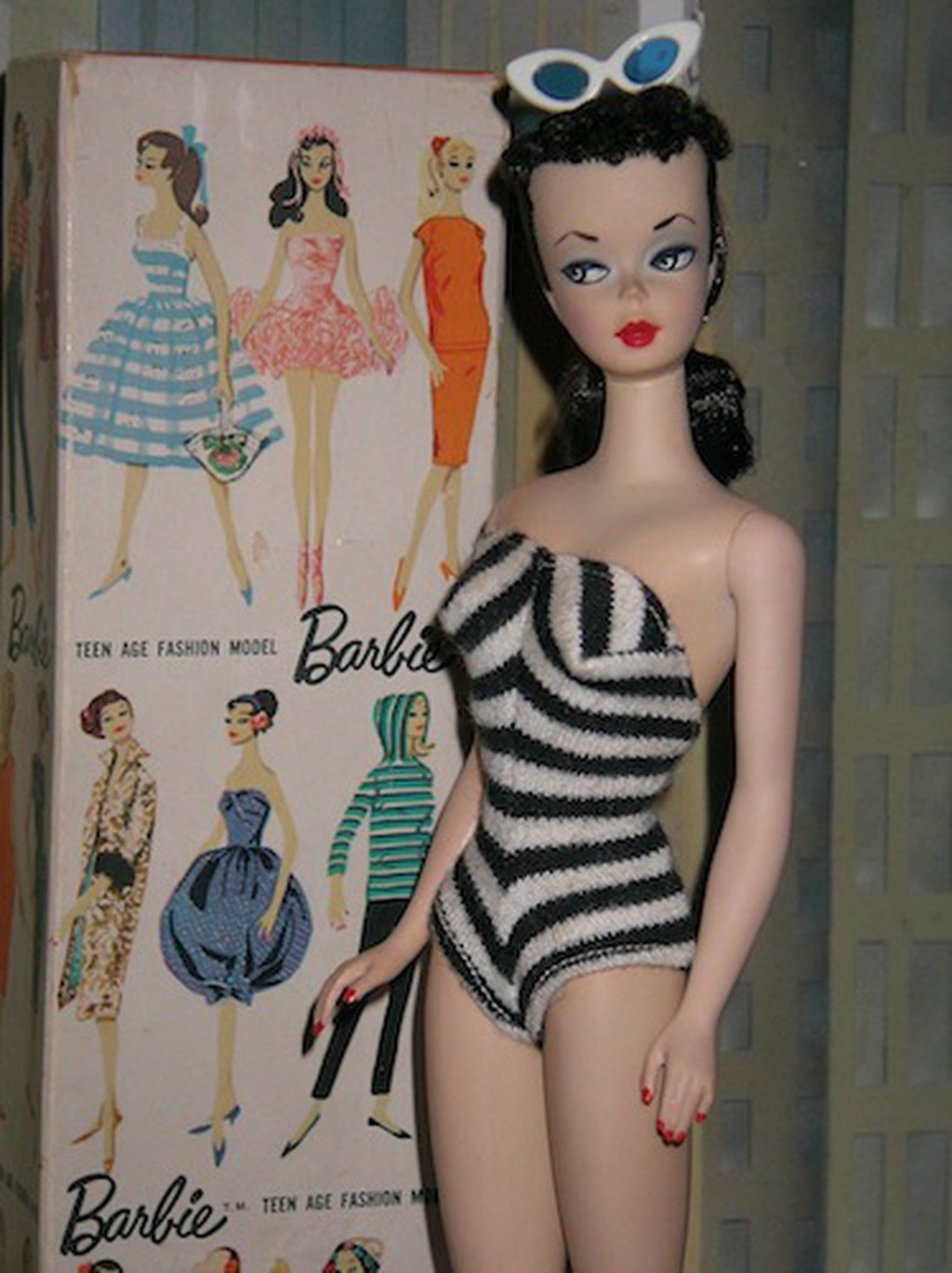
Influenced by the movie stars of the 1950s, the first Barbie doll, known as #1 Ponytail Barbie, featured red lips, black eyeliner, and perfectly arched eyebrows. She wore a striped, strapless zebra-print swimsuit and had blonde or brown hair styled in a ponytail like Audrey Hepburn. Later, Barbie’s hairstyles evolved—each year, Barbie sported a different look.
From 1968 to 1976
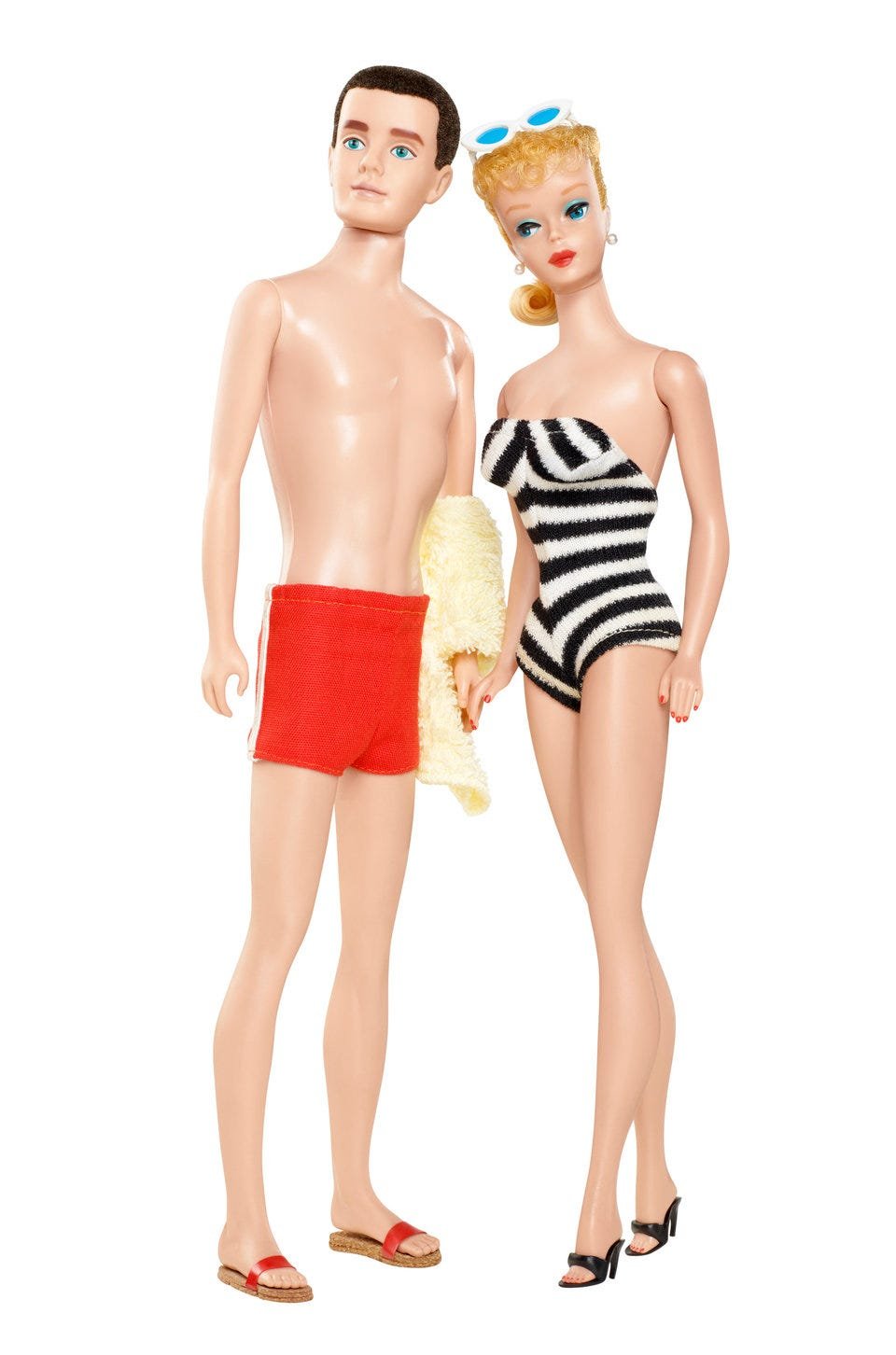
There were significant changes in terms of appearance.
In 1961, Barbie began dating Ken, and in 1962, the couple moved into their Dream House—a set that remains one of Barbie’s most coveted playsets today.
With a new home and a new man by her side, Barbie found herself surrounded by new friends and family members, including her lifelong best friend, Midge, and her younger sister, Skipper. In 1967, Mattel debuted “Colored Francie,” the first African American doll to join Barbie’s circle of friends. Both Francie and Christie, who followed just a year later, were made with darker skin tones—but designers used the same mold as for ‘Caucasian Barbie,’ meaning all the dolls shared the exact same facial features.
In 1971, as American society faced mounting pressure from violent protests against the war, economic instability, and ongoing civil rights battles, the Barbie Malibu was launched—a timeless classic. With a newly sculpted face, a wide-open smile for the first time, tanned skin without makeup, and sun-kissed hair, Barbie Malibu was marketed as the ultimate surfer girl. The most significant change in Barbie Malibu’s appearance was the disappearance of Barbie’s shy, sidelong gaze—and the introduction of forward-looking eyes, a development warmly embraced by feminists. Barbie Malibu projected a powerful yet relaxed persona in an era when many American citizens felt anything but relaxed.
If you compare a 1968 model with a 1976 model, you’ll notice a subtle difference in facial features.
From 1977 to 1985
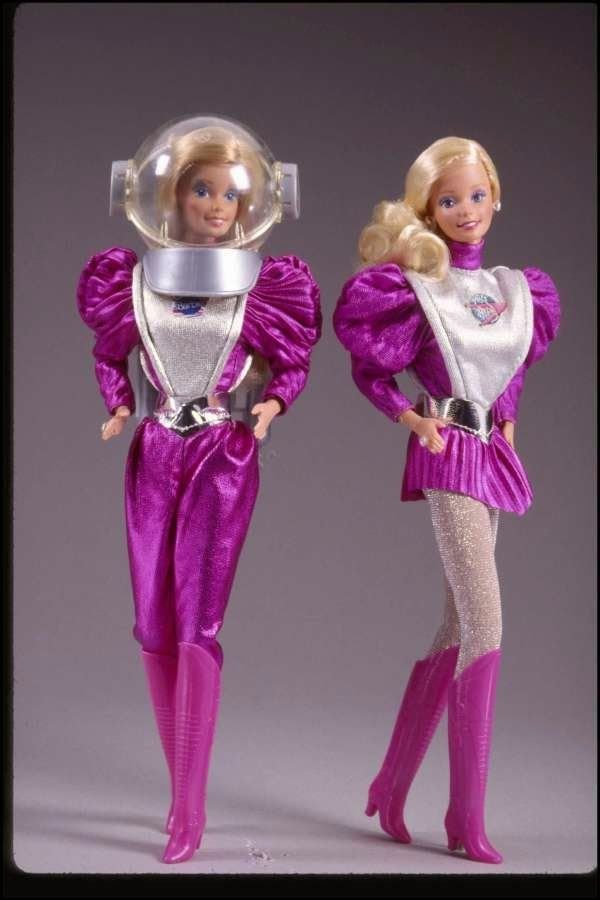
Barbie transformed into a teacher, veterinarian, TV journalist, and more—adopting a truly brilliant marketing strategy and achieving timeless success. Barbie no longer limited herself to the roles of housewife or eternal surfer; in the 1980s, “Barbie Doctor,” “Barbie Astronaut,” and “Barbie Pilot” were introduced. Barbie ‘Day to Night Barbie,’ launched in 1985, could reasonably be described as “yuppie Barbie”—it came complete with office accessories and an evening gown, allowing Barbie to go straight from the office to a party downtown at a super-cool club.
From 1986 to 1994
Once again, Barbie underwent a transformation—but this time, it was far more radical. In fact, she was heavily criticized because her body seemed to encourage young girls to restrict their eating habits, potentially leading to anorexia. Faced with these accusations, Mattel decided to reshape Barbie’s body, widening her hips to make them appear less narrow.
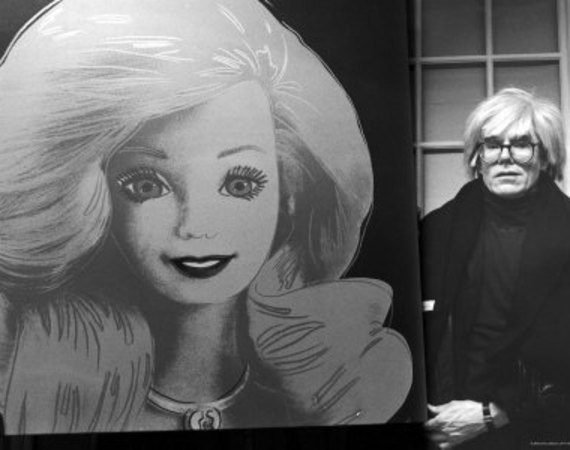
Barbie even made her way into the world of art. In the mid-1980s, a New York-based jewelry designer named BillyBoy* was one of the world’s foremost collectors of Barbie dolls—and he had worked with Mattel to design two new dolls. When Andy Warhol, a friend of BillyBoy, begged him to paint his portrait, BillyBoy replied that Warhol should instead paint Barbie, because “Barbie, c’est moi.”
From 1995 to 2003
The year 1997 brought the flop of “Oreo Fun Barbie.” Oreo Fun Barbie was the result of a partnership with Nabisco, the makers of Oreo cookies—and it was intended to be a playmate for young girls, allowing them to share America’s “favorite cookie.” A black-and-white version of Oreo Fun Barbie was released, sparking controversy within African American communities who recognized the term “Oreo” as a derogatory label. The doll was quickly recalled and is now one of Barbie’s most sought-after collector’s items.
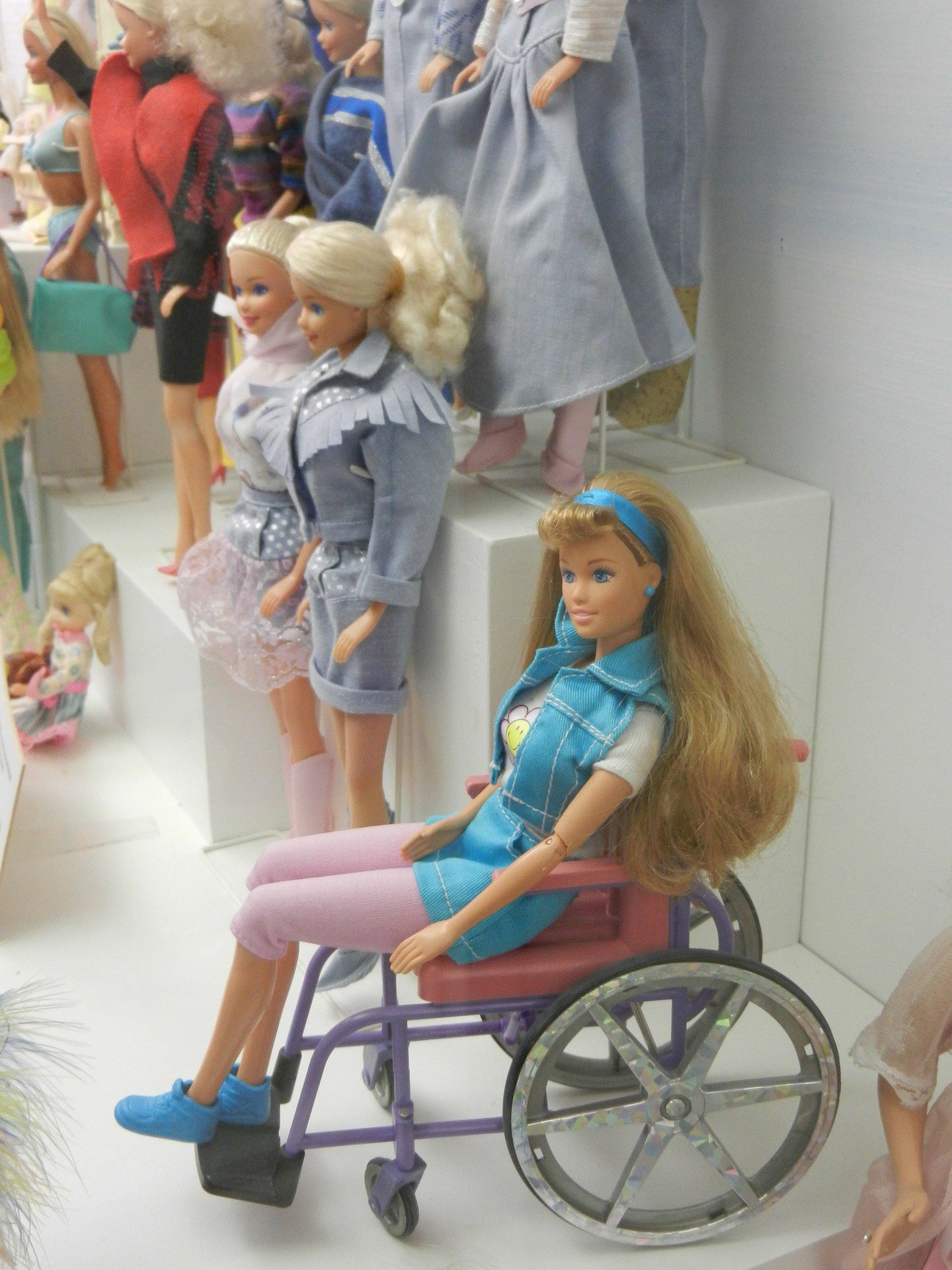
Shortly after the Oreo debacle, Mattel found itself under fire once again after launching “Share a Smile Becky,” a doll that came with a pink wheelchair. Unfortunately, Share a Smile Becky suffered from some of the same accessibility issues that people in wheelchairs face in everyday life—the wheelchair couldn’t navigate Barbie’s Dream House, didn’t fit through the elevator, and couldn’t be placed inside any of Barbie’s vehicles. Even Becky’s long hair tended to get tangled in the wheels of her wheelchair. A new version of “Share a Smile Becky” was released with shorter hair—but despite its initial success, it was soon discontinued.
Despite all these controversies, Barbie remained at the top of toy store bestseller lists throughout the 1990s—perhaps thanks to the many choices available. “Totally Hair Barbie,” with hair twice as long as her dress, “Gymnast Barbie,” “Mermaid Barbie,” and—who could forget—“Generation Girl Barbie” were all incredibly popular.
From 2004 to 2012
Barbie became increasingly fashionable, innovative, and entrepreneurial—more like the modern-day female icon she is today.
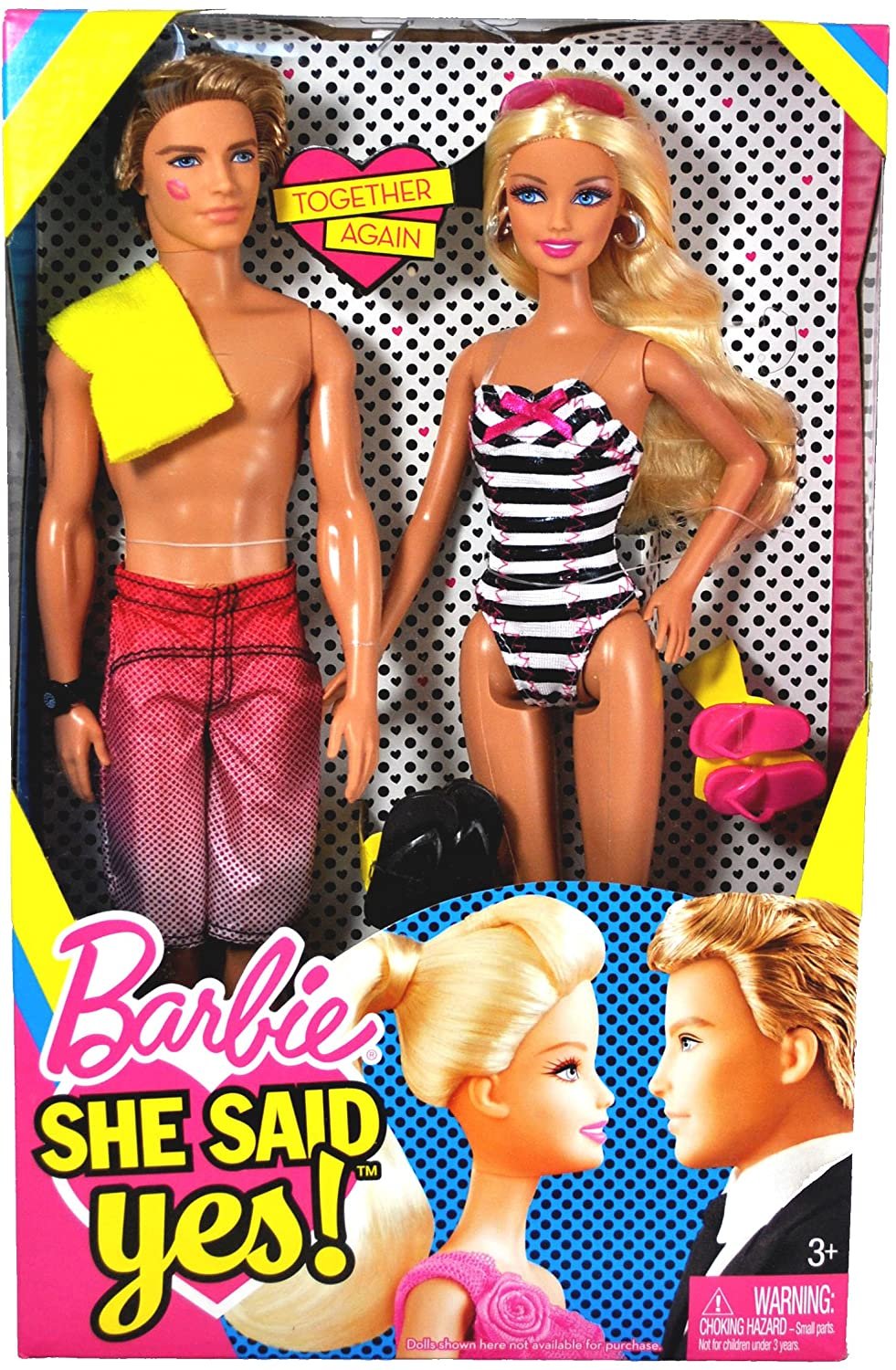
In 2004, following the breakup of many high-profile relationships, Barbie officially ended her relationship with Ken just weeks after Britney Spears and Justin Timberlake’s breakup.
From 2012 to the present
The transformations during this period were quite noticeable—and with all the changes she underwent, Barbie remains the best-selling doll in the world today.
The Barbie Fashionista line offers seven different skin tones, representing African American, Asian, and mixed-race features, 14 different hairstyles, and—surprisingly—many shoe options. For the very first time, Barbie was blessed with flexible ankles, finally allowing her to wear low-heeled shoes.
Another new line of Barbie dolls, launched under the hashtag #thedollevolves, seeks to dispel the image of Barbie as an unrealistic portrayal of female form. Three new body types are now available—petite, tall, and curvy—which can be mixed and matched with a range of skin tones, eye colors, and hairstyles—including Afro hair and fiery red curls.
New Barbies Inspired by Women of Yesterday and Today
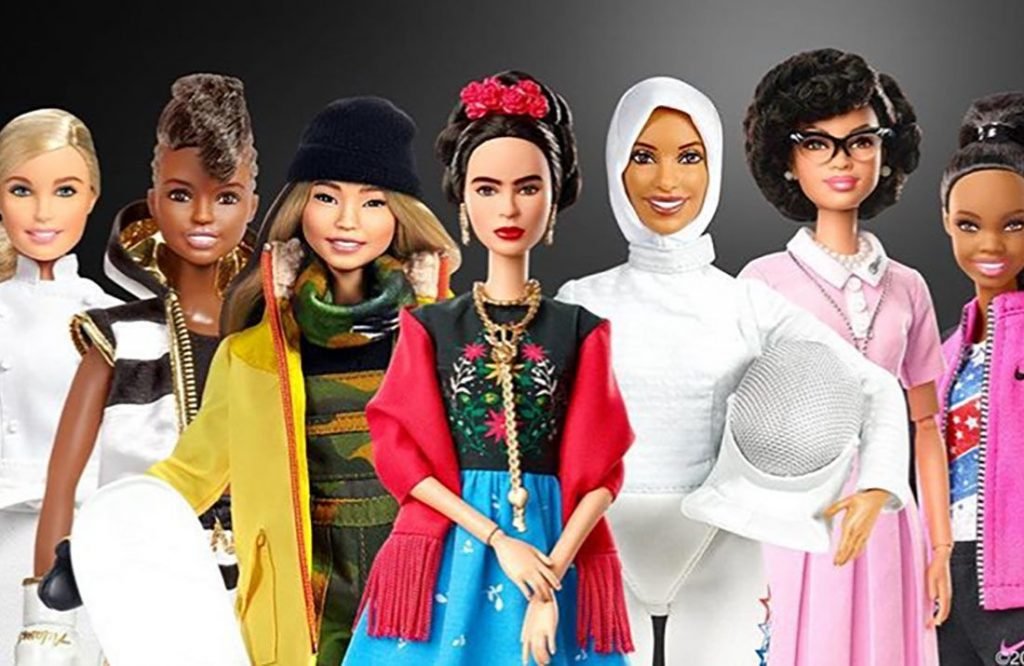
On the occasion of International Women’s Day, Mattel decided to celebrate 17 women from the present and the past by turning them into Barbies—using them as role models for young girls.
This isn’t the first time the company has chosen to honor women who have left their mark on history, such as the “Sheroes”—female heroines. In the “One of a Kind” collection, many important and influential women were transformed into dolls, faithfully recreating their features.
For several years now, Mattel has introduced a new “Inspiring Women” collection—figures of women who have left a lasting impact on society, such as Frida Kahlo, Katherine Johnson, and Amelia Earhart. These three icons embody strength, tenacity, and the courage to move forward despite obstacles and pursue one’s dreams.
For now, the company has focused on these three figures—but perhaps in the future, they’ll add more to inspire young girls to follow their own dreams.
Fun Facts About Barbie
The Real Name of Barbie
The real name of the world’s most famous doll is Barbara Millicent Roberts, named after the daughter of its creator, Ruth Handler. She was born in Willow, Wisconsin.
The First Barbie Was 29.5 cm Tall
The first Barbie immediately stood out for her elegance and refinement: she wore a ponytail with curly bangs across her forehead, dark eyes, and makeup featuring eyeliner, red lips, and nails—all carefully applied. Her eyebrows were meticulously shaped.
The Most Popular Version in History—Here It Is
The version that received the greatest response compared to all others was Totally Hair Barbie—with hair so long it reached her feet and could be styled in countless ways. This model was released in 1992, and its success was nothing short of spectacular.
The Most Expensive Barbie in the World
We mentioned earlier that when Barbie was first created, her initial price was just 3 dollars—but over time, her cost steadily increased.
But what’s truly remarkable is that the same Barbie from 60 years ago has reached a noteworthy value—in fact, she was appraised at 27,000 dollars. That happened back in 2006. Then, in 2010, the most expensive Barbie in the world was created for a breast cancer awareness organization—and it was sold for a staggering 302,500 dollars—a true record!
The Forbidden Barbie
Although this doll is cherished worldwide and loved by every little girl, it turns out that her commercialization was banned in Saudi Arabia in 2003—because she was considered a symbol of a decadent civilization.
In some Islamic countries, another type of doll was introduced: Fulla—which shares similar characteristics with Barbie but stands out because its purpose is to promote Islamic values.
The Arrival of Ken in 1961
When Barbie was born in 1959, little girls soon wanted a male companion to play alongside their doll—and two years later, Ken arrived. At first, the proposed version had rather coarse hair—blonde or black—but the strands would come loose easily when wet, resulting in a truly poor outcome.
The following year, the manufacturer thoughtfully decided to create a new version—but this time, they chose to paint Ken’s hair.
How Many People Work to Produce Just One Barbie?
We scoured the web to find some information on this topic—and it turns out that as many as 100 people work to produce a single Barbie. The team includes makeup artists, haute couture tailors, and stylists.
The Most Followed Doll on Social Media
According to a recent study conducted some time ago, Barbie is the most followed doll on social media—despite being around for several years. She has over 14 million fans on Facebook, 2.1 million on Instagram, 268,000 on Twitter—truly a record-breaking number. But that’s not all: according to reliable sources, her global gross revenue amounts to 1.01 billion dollars.
The Talking Barbie
In 1992, Mattel decided to create a talking Barbie. Among the 270 phrases she could say, only one was programmed to speak properly—and among those was “Math is hard,” which caused some disappointment within a university association. Faced with various criticisms, the company decided to pull the aforementioned version from the market, removing the offending phrase and releasing a new doll instead.
In short, time seems to pass slowly for Barbie—she’s still considered the most beloved and cherished doll of all time, despite the many ups and downs she’s experienced over the years.
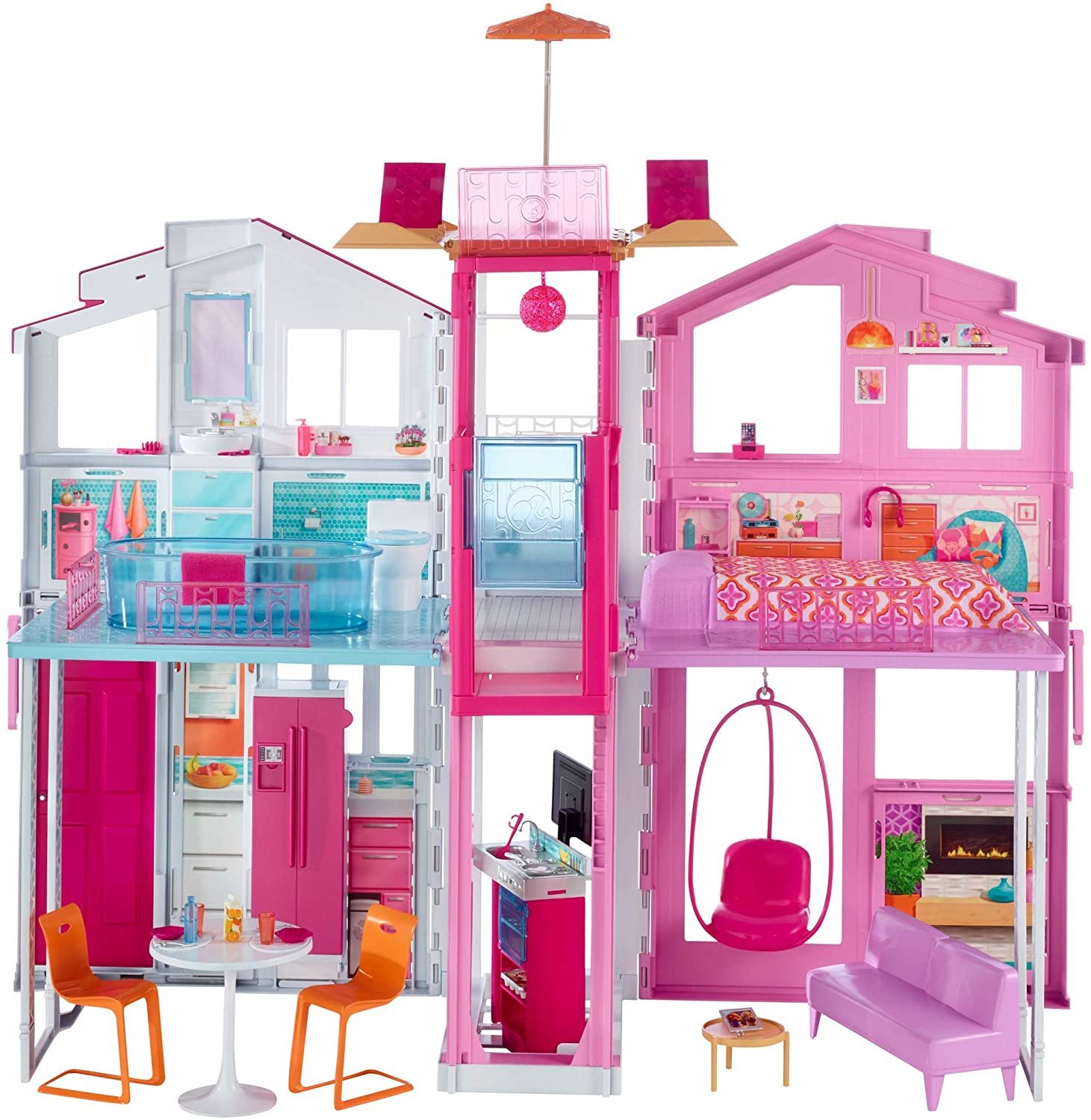
Barbie’s Malibu House
The best-selling set on Amazon dedicated to Barbie.
Since its debut in the 1970s, Barbie’s Malibu House has remained a timeless classic.
With three elegant floors for play, this Barbie house will provide the perfect backdrop for all the stories you imagine. Four rooms and a rooftop relaxation area, complete with realistic details, make this Barbie house truly refined.
Price: 130 euros
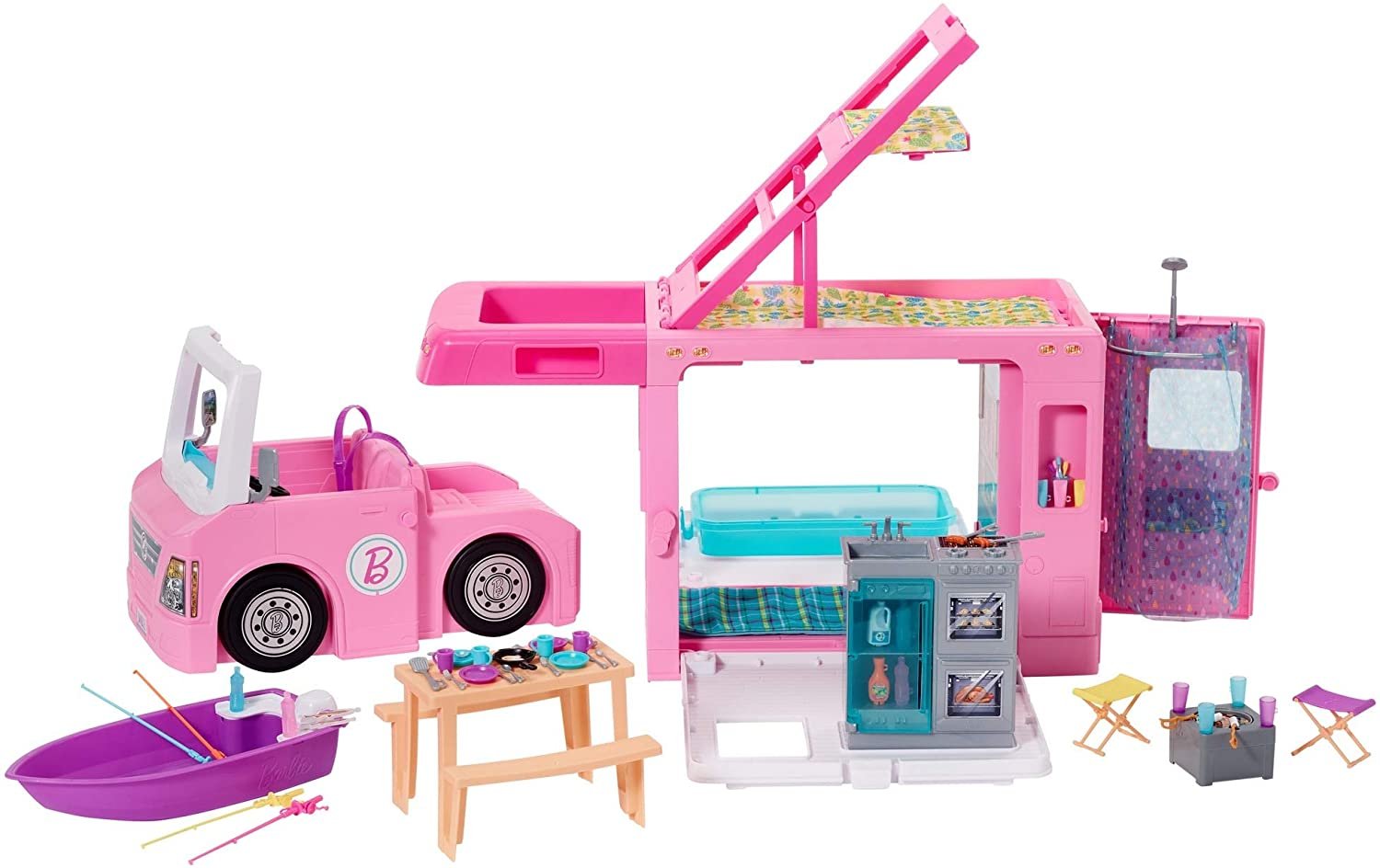
Barbie’s Dream Camper
Another iconic set is the Dream Camper. For decades, this set has inspired road trips for thousands of little girls.
3-in-1: One side lowers to reveal a swimming pool, while the other creates a cool, outdoor space perfect for kitchen fun. Between the two is a living area for relaxing, complete with graphics that add a touch of style and make Barbie feel right at home. Finally, opening the rear panel reveals a bathroom with a hidden shower. An essential dream set for kids and collectors alike.
Price: 77 euros
Showing 1–12 of 3870 results