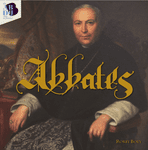
Designer Diary: Abbates – From Idle Notion to Publishing House
By Robby Boey
The Museum Spark
The journey of Abbates began during a seemingly ordinary visit to Museum M in Leuven, Belgium. While museums typically evoke feelings of admiration and contemplation, it was the gift shop that sparked a transformative idea. Among various items, a board game inspired by one of the museum’s artworks caught the attention of Robby Boey and his wife, who suggested creating a board game based on Bornem Abbey, where she works.
Initially, this concept was merely a thought experiment. However, the ambiance of the museum ignited a passion for the project. Upon returning home, the idea evolved into a tangible ambition. The abbey, rich in artifacts, stained glass, and history, provided fertile ground for a board game that could celebrate cultural heritage through play.
Key Features
- Tile-Based Mechanism: The early drafts featured a tile-laying system, where players constructed a stylized abbey. However, feedback revealed a lack of tension, prompting a shift in design.
- Card Game Dynamics: Transitioning to cards introduced strategic layers. Players navigated a 4×4 grid, utilizing a single meeple to claim cards, fostering interaction and competition.
- Tighter Gameplay: Reducing the grid to 3×3 increased deliberation, forcing players to make more strategic decisions. A personal tableau added depth, allowing for more complex patterns and scoring.
- Innovative Bidding System: Shifting to sequential open bidding transformed the auction dynamic, giving players agency and enhancing the competitive atmosphere.
- Monastic Beans: Introducing beans as a currency added a unique layer of strategy, connecting gameplay mechanics to the abbey’s thematic elements. Players managed points through a tug-of-war mechanism, reflecting the real voting processes of abbeys.
- Engaging Feedback Loop: Playtesting at conventions provided invaluable insights, leading to refinements that enhanced replayability and player engagement.
- Publishing Journey: What began as a cultural project evolved into the foundation of Pontifex Games. The success of Abbates paved the way for subsequent releases, including expansions and new titles.
Conclusion
The evolution of Abbates showcases the intersection of creativity, cultural heritage, and strategic gameplay. It illustrates how constraints such as theme, deadlines, and funding can enhance the creative process. The end result is not just a game, but a celebration of the abbey’s history and identity, bringing it to life in an interactive format. As Robby Boey reflects on this journey, the overarching lesson remains clear: the essence of game design lies in crafting fun experiences that resonate with players, ensuring that the joy of play remains at the heart of every decision.
Via BoardGameGeek Blog