Designer Diary: Cup the Crab
by Michael Feldkoetter
In 2003, Michael Feldkoetter embarked on a journey into the world of game design with the creation of a card game titled COCO-NUT. This game was characterized by its minimal rules and strategic depth, requiring players to make intricate decisions. Each player receives 14 palm tree cards along with seven special cards, playing across seven rounds while selecting three cards each round. The objective is to grow palm trees to increase their value by producing coconuts, but timing the claim on a palm tree becomes a complex task due to various special cards that influence gameplay. This blend of strategy and unpredictability quickly made COCO-NUT a favorite among friends and family, leading Feldkoetter to seek out publishers who would recognize its potential.
The SAZ Prize
A pivotal moment in Feldkoetter’s journey occurred in 2004 at SPIEL in Essen, where a platform was provided for game designers to showcase their prototypes, organized by the Game Designer Association (SAZ). The chairman at the time, Alan Moon, a renowned game designer who had recently won the “Spiel des Jahres” award for Ticket to Ride, introduced the SAZ Prize to honor the best prototype. To Feldkoetter’s delight, COCO-NUT was chosen as the recipient of this prestigious award, bringing significant attention to his game.
TENAKEE
This recognition caught the attention of the publisher Amigo, who decided to include COCO-NUT in their lineup. However, they proposed a thematic overhaul, suggesting a shift from palm trees and monkeys to a new concept inspired by the totem pole culture of the Tlingit people of North America. The game was rebranded as TENAKEE.
A New Start
Fast forward nearly two decades, Feldkoetter recognized the need to revitalize the game. Despite its enduring popularity, the original theme was deemed unsuitable for contemporary markets, particularly due to sensitivities surrounding Native American representations. Seeking a fresh direction, he opted to move away from palm trees and monkeys altogether. Drawing inspiration from Alan Moon’s success with Ticket to Ride, he transformed the vertical gameplay into a horizontal format, incorporating trains as the new theme. The game was reintroduced to publishers under the title RAILWAY STAR.
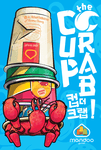
Eventually, Feldkoetter partnered with the Korean publisher Mandoo Games, who shared his enthusiasm for the gameplay while envisioning an innovative theme. They ultimately decided on hermit crabs collecting cups on the beach, a concept that not only offered a unique twist but also featured captivating artwork by Keanu Chong.
Key Features of Cup the Crab
- Engaging gameplay that emphasizes strategic decision-making
- Unique theme centered around hermit crabs and their cup-collecting adventure
- Visually appealing artwork that enhances the gaming experience
- Adaptable mechanics suitable for various player skill levels
- Strong replayability, keeping players engaged session after session
With its innovative theme and strategic depth, Cup the Crab represents a fresh evolution of Feldkoetter’s original vision, promising to entertain both dedicated gamers and casual players alike. This journey from COCO-NUT to Cup the Crab illustrates the dynamic nature of game design, where creativity and adaptability play crucial roles in bringing a concept to life.
Via BoardGameGeek Blog