Designer Diary: Cat Saga – Tangled Tails
by Martin van Rossum
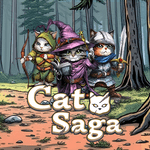
Cat Saga is a cooperative, story-driven adventure game that invites players to explore a whimsical world while making decisions that shape their unique narrative. The journey of creating Cat Saga has spanned over four years, culminating in a game that the design team is immensely proud of. This article shares insights from the development process, aiming to inspire and guide aspiring game designers.
Game Overview
Before delving into the development story, it’s essential to understand how Cat Saga operates. Players collaborate to navigate a dynamic storyline, engaging in combat and utilizing abilities to face challenges. The key features include:
- No turn-based mechanics; players progress through the story together.
- Diverse paths lead to multiple endings, enhancing replayability.
- Players complete challenges through a Try or Fight mechanism, utilizing dice, abilities, and items.
Development Vision
The vision for Cat Saga was born from a desire to create a captivating story-driven game that could be enjoyed by families. The concept emerged when the designer recognized a lack of appealing story-focused games suitable for his wife and son. Early brainstorming sessions led to a blend of tabletop role-playing game (TTRPG) and board game mechanics, striking a balance that appealed to their family dynamic.
Key objectives included:
- Designing a game playable solo or collaboratively, without a dedicated game master.
- Creating a quick-play experience, aiming for sessions under one hour.
- Ensuring a family-friendly atmosphere, with simplified combat mechanics.
Setting and Theme
The decision to feature a light-hearted, family-friendly theme arose during discussions about welcoming a cat into their home. This choice not only reflected the charm of cats but also aligned with the cozy aesthetic that the game embodies. The design philosophy aimed to mirror the game’s playful nature, ensuring accessibility and appeal.
Prototyping Journey
In the early stages, prototyping focused on simplicity, utilizing only paper, pencils, and dice. The decision to use familiar six-sided dice (d6) was made to maintain accessibility while differentiating the game from traditional RPGs. The mechanics evolved to incorporate traits associated with each dice roll, enhancing strategic options and introducing a push-your-luck element. Testing revealed that re-rolling abilities added excitement, encouraging players to make intriguing decisions about resource management.
Artwork and Development Milestones
As development progressed, the team committed to crafting unique artwork, coinciding with an extensive online testing phase. The introduction of a kitten named Lucky added a personal touch to the game’s narrative. Despite the game nearing completion, the process revealed the significant work still required, emphasizing the importance of thorough testing and refinement.
Collaboration with an editor and multiple artists ensured that the game’s narrative and visuals exceeded initial expectations. Blind testing, particularly through platforms like RoleGate, attracted diverse participants and facilitated continuous feedback, vital for fine-tuning the gameplay experience.
Final Thoughts
As Cat Saga prepares to enter the world, the journey reflects valuable lessons for designers:
- Create games that fulfill gaps in the market, ensuring personal enjoyment in the design process.
- Establish a clear vision and audience from the outset to guide decision-making.
- Engage with different communities to access a broader range of playtesters and feedback.
- Acknowledge that while games may never feel entirely finished, there comes a point where it must be completed and shared.
The evolution of Cat Saga stands as a testament to patience, creativity, and the joy of collaborative storytelling, inviting players to embark on their own unique adventures.
Via BoardGameGeek Blog