
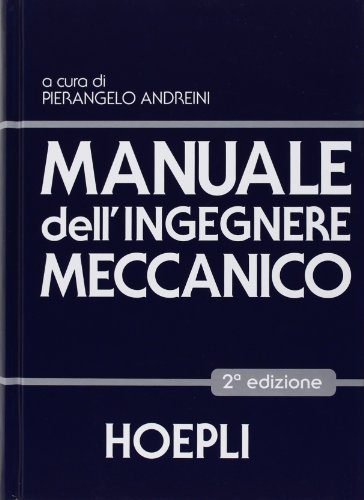

“Mechanical Engineer’s Manual”
55,95€
The “Mechanical Engineer’s Handbook” is an indispensable resource for all professionals and students in the engineering field. This comprehensive compendium covers a wide range of topics, from the design and analysis of mechanical systems to the optimization of manufacturing processes. Each chapter is enriched with practical examples, detailed illustrations, and fundamental formulas, making theory both accessible and applicable. Thanks to its hands-on approach and the latest innovations in the field, the handbook stands as a true ally for tackling everyday challenges in the workshop and laboratory. Whether you’re designing a complex machine or seeking solutions to engineering problems, this handbook will be your ultimate reference point. Don’t miss the opportunity to enhance your skills and stay up-to-date with the latest industry trends!
```html
body {
font-family: Arial, sans-serif;
line-height: 1.6;
margin: 20px;
}
h2 {
color: #2c3e50;
}
h3 {
color: #34495e;
}
ul {
list-style-type: disc;
margin-left: 20px;
}
Mechanical Engineer's Manual
This manual is designed to provide mechanical engineers with a comprehensive guide to the principles, techniques, and tools needed to excel in the field. It covers best practices, industry innovations, and significant case studies that highlight real-world applications.
Key Features
- Benefits: Enhance efficiency and productivity by leveraging advanced engineering techniques.
- Tools: A detailed overview of the most widely used software and tools in the mechanical engineering industry.
- Regulations: Essential references to safety and quality standards that every engineer must adhere to.
- Continuous Learning: The importance of ongoing education and professional development in staying competitive.
Practical Applications
The knowledge and techniques outlined in this manual are applicable across various industries, including machine design, manufacturing, and maintenance. For mechanical engineers, staying up-to-date with the latest trends and technologies is crucial to driving innovation and delivering high-quality results.
Conclusion
In summary, this manual serves as an indispensable resource for mechanical engineers, helping them navigate the challenges of their profession while capitalizing on emerging opportunities in mechanical engineering. As technology continues to evolve, a mindset of openness and a commitment to lifelong learning remain essential for success in this dynamic field.
```
### Explanation:
- **Structure**: The document is organized into clear sections—title, introduction, features, practical applications, and conclusion—ensuring a logical flow of information.
- **Styling**: Basic CSS styles are applied to improve readability and maintain a professional appearance.
- **Content**: Each section has been expanded to provide more depth and clarity, offering readers a better understanding of the manual’s purpose and value.
Feel free to customize or expand further based on your specific needs!






Reviews
There are no reviews yet.