The Annual Kid Game Clearout
The Annual Kid Game Clearout is an essential event for families who want to refresh their collection of children’s games. This yearly ritual serves multiple purposes, from decluttering to ensuring that the games on hand are suitable for the current ages and interests of the kids.
Key Features of a Successful Kid Game Clearout
- Requirement of Kids: The first prerequisite is straightforward—you need to have children. However, this can be loosely interpreted. Grandparents, uncles, aunts, or anyone who regularly entertains kids with games might also qualify.
- Designated Game Space: An organized area for your child’s game collection is essential. This could be a dedicated shelf, a corner of a room, or even a closet where all the games are stored together, ensuring easy access and visibility.
- Desire for Reorganization: The motivation to clear out old games stems from the need to make space for new ones that are more relevant to the children’s current interests. As children grow, their gaming preferences will change, necessitating this annual review.
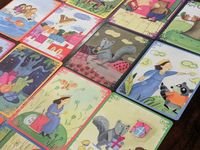
Over the years, game preferences can shift dramatically. For instance, a family might start with games like Roll & Play, then transition to The Sneaky Snacky Squirrel Game, and eventually to more intricate games like Outfoxed! and Qwirkle. The constant evolution of interests often leads to a packed game area, which can cause anxiety for parents who want to maintain an organized space.
During the Clearout process, games are typically categorized into three groups: those that are non-negotiable and must stay, those that are immediately ready for donation, and a middle group that requires further consideration. The latter is usually revisited over a few weeks to determine if they should remain or be donated.
For instance, a child may insist on keeping a cherished game like Dungeons, Dice, & Danger, while others such as Really Loud Librarians might be easier to part with. The evaluation process can be a blend of nostalgia and practicality, where each game is assessed based on its current relevance and playability.
Another family member might have different perspectives, especially if they are frequent players themselves. For example, a nine-year-old may be particularly attached to games like Pay Day and Monopoly, while also being open to letting go of less favored titles like Five Nights at Freddy’s: Night of Frights!.
Conclusion
The Annual Kid Game Clearout is more than just a chore; it’s an opportunity to reflect on cherished memories while making space for new adventures. As children grow, their tastes and preferences evolve, making this ritual a vital part of family life. It not only helps maintain an organized game area but also fosters a sense of responsibility and decision-making in children. Ultimately, this process enriches family time, allowing parents and kids to bond over shared gaming experiences while creating lasting memories.
Via BoardGameGeek Blog