The second collectible doll Barbie Dia de Muertos (Barbie Day of the Dead) is finally available
She wears a pink lace dress embroidered with jewels. She sports braids adorned with brightly colored flowers, but if you look closely, you can see her pale complexion and her strange makeup: her eyes are circled, and her mouth looks as if it’s been stitched shut.
This new Barbie doll, marketed by Mattel, is based on “Catrina,” a popular character in Mexican culture. Catrina is a female skeleton dressed in rich attire, often wearing an elegantly styled hat—inspired by various traditions that blend European influences (particularly medieval macabre art) with prehistoric indigenous traditions (especially the Aztec goddess of death). The celebration is so ancient that it dates back to the pre-Columbian era, to the period before the European invasion (invasion—not “discovery”) of America, as also reported in an Esquire article.
Today, while the Mexican Day of the Dead falls on the same date as the Catholic Commemoration of All Souls’ Day, this is because Europeans imposed it on the native peoples by force. Before this imposition, the date was different—and instead of falling between October and November, it was celebrated on July 16th and August 5th.
For 112 euros, you can purchase this second collectible edition of the Barbie Dia de Muertos on Amazon; last year’s edition was dressed in black.
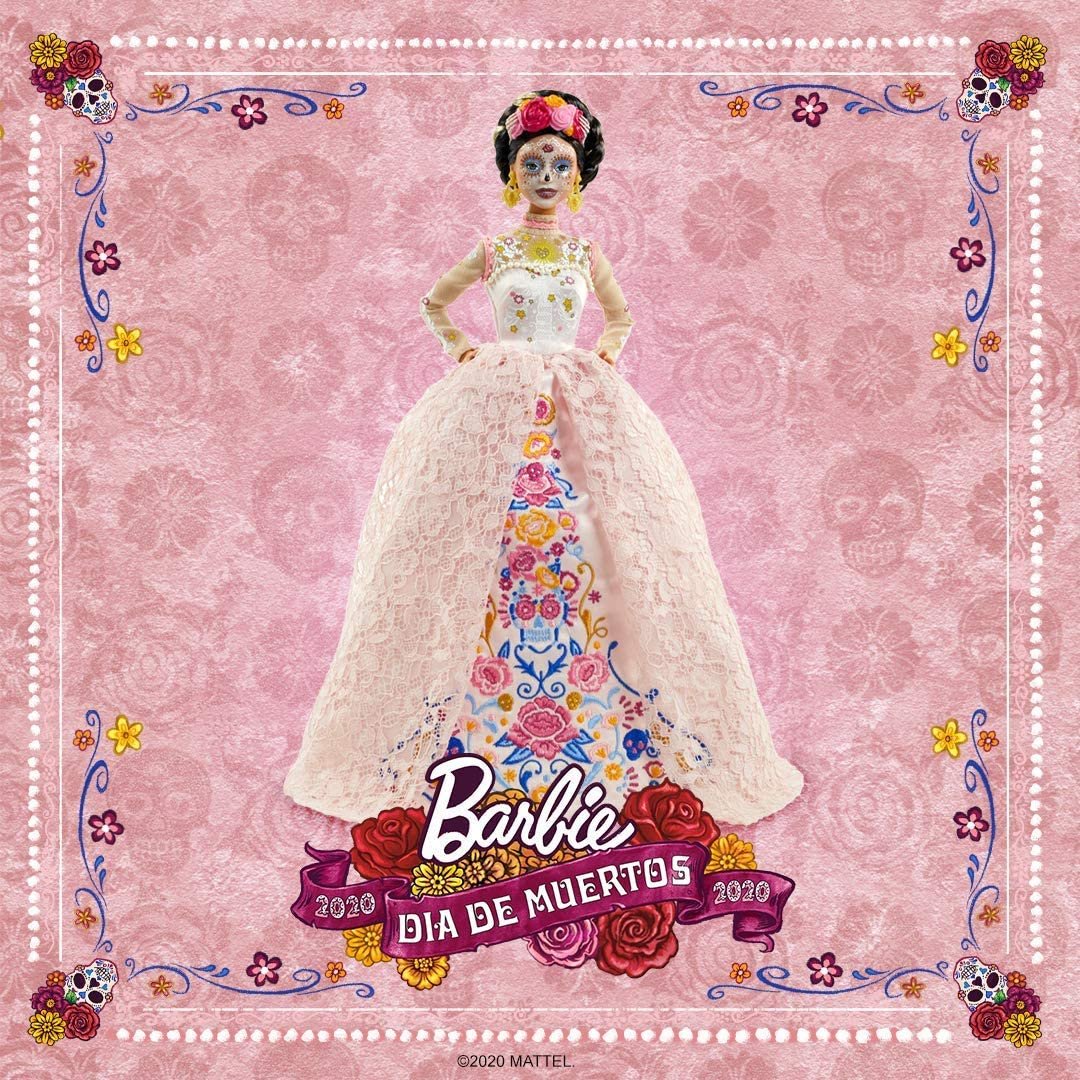
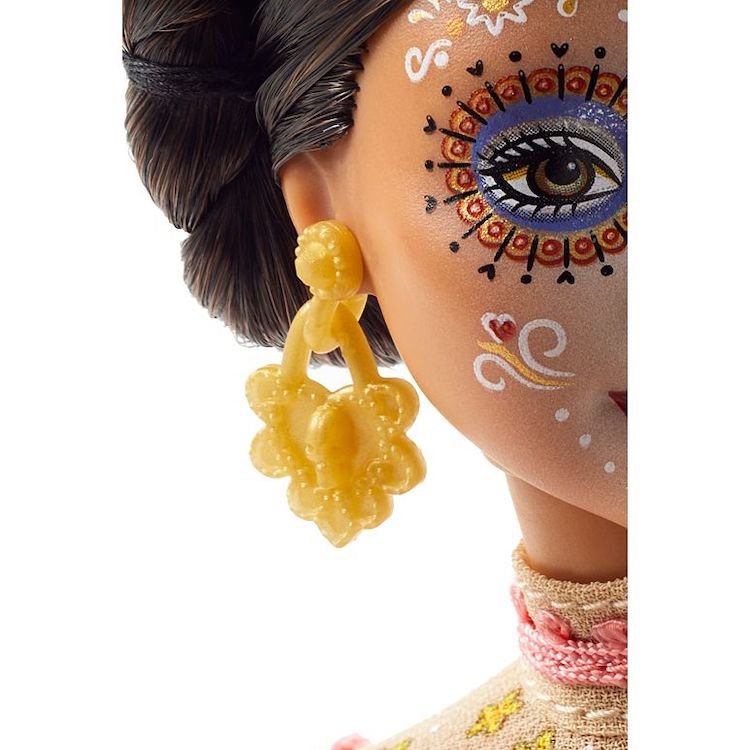
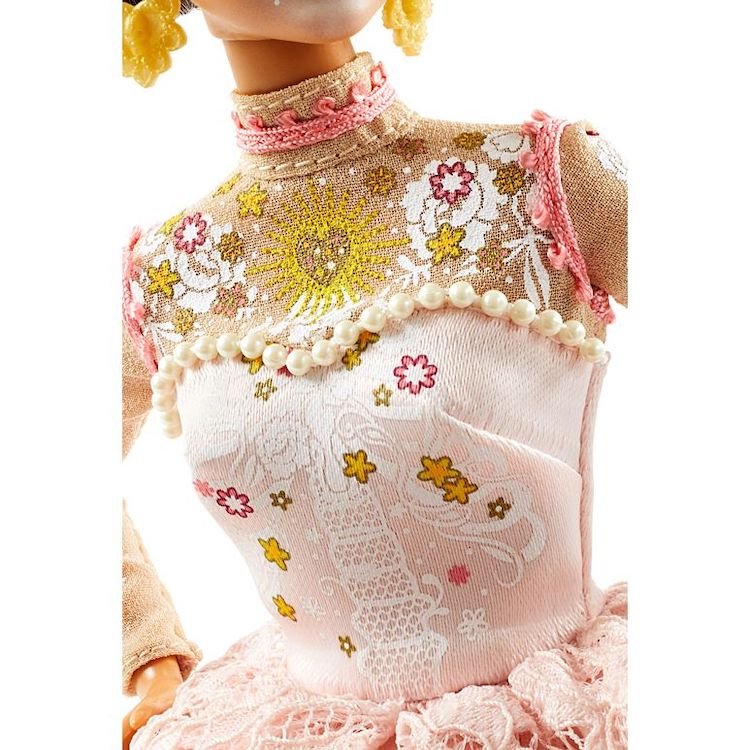
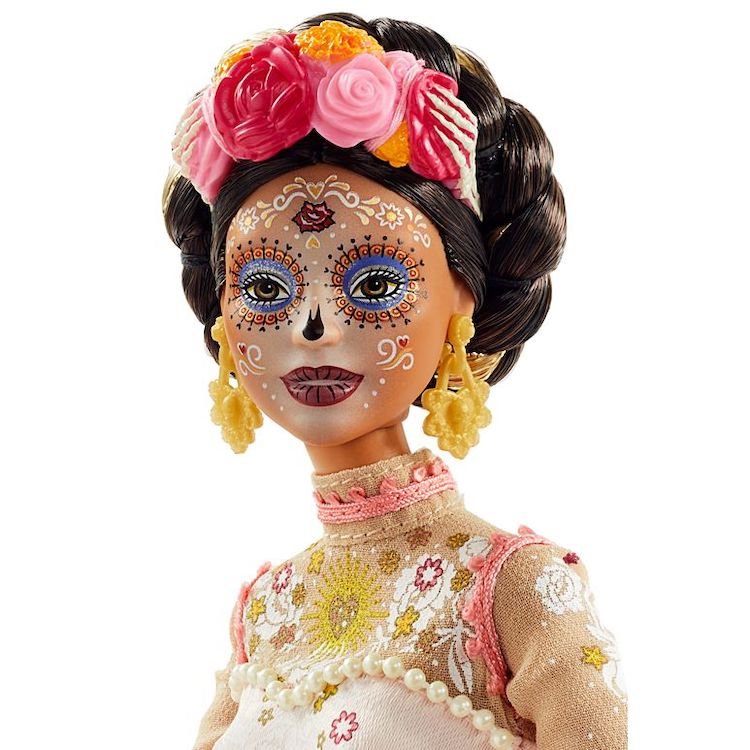
Barbie Dia de Muertos
Barbie celebrates Dia De Muertos 2020 with a second collectible doll inspired by the ancient festival. Dia De Muertos is a two-day celebration held in early November, when families gather to honor the lives of their beloved deceased. This colorful and lively event is filled with music, food, sweets, offerings, and flowers. It includes stands and a certificate of authenticity. Recommended age: 6 years and up.
The Return of the Dead to the World of the Living
The Mexican Day of the Dead takes place every year between late October and early November. Since 2003, it has been listed by UNESCO as an Intangible Cultural Heritage of Humanity and is a highlight of national culture. It is a celebration—specific to Mexico and certain South American countries—of the memory of those who have passed away, held the day after All Saints’ Day.
According to indigenous legends, this festival symbolizes the return of the dead to the world of the living. For several days, visits to cemeteries increase, and tributes are paid to the departed. This tradition usually involves creating private altars for loved ones who have passed away. These altars are adorned with offerings, food, candles, flower petals, sugar skulls called “calaveras,” crucifixes, or personal items belonging to the deceased.
Controversy Surrounding “Barbie Day of the Dead”
Mexican-American Javier Meabe created this doll, explaining that he wanted to spread Mexican culture and introduce the tradition of “Dia de los Muertos.” While doll collectors enjoy and appreciate the creativity of the American company Mattel, which cares about the 36 million Mexicans—or people of Mexican descent—who live in the United States, others criticize the opportunism behind this “Barbie Day of the Dead” and Mattel’s exploitation of traditions for commercial purposes.
9 body types, 35 skin tones, and 94 hairstyles
The American toy giant has sold more than one billion Barbie dolls since its launch in 1959.
Its original silhouette—with unrealistic proportions, blonde hair, and stereotypical features—is now considered a piece of antique history. The unique “model dolls” offered in the 1960s have been surpassed; today, Mattel’s website offers 176 different doll types, with a choice of 9 body types, 35 skin tones, and 94 hairstyles.